CPC has been reduced by 25.2% through AI-Powered Dynamic Keyword Targeting
This case study explores the application and benefits of Dynamic Keyword Targeting (DKT) technology, highlighting its ability to optimize Cost-Per-Click (CPC) performance. Unlike conventional Google keyword advertising, our AI-driven DKT technology analyzes and predicts audience interests based on keywords from recently browsed articles. This enables precise audience identification and ensures advertising dollars are spent more effectively.

Traditional Approach
In traditional advertising setups, keywords were often chosen based on assumptions about target users or product features. This approach inherently limits audience reach due to human-imagined constraints.
With the advent of DKT, AI models analyze advertiser-provided keywords, identify audiences who have browsed related content, and predict their current interests. This predictive capability allows advertisers to connect with users who are actively searching for products or services, expanding the potential audience pool.
Example:
For a product like a brand-specific foundation (e.g., Brand A), traditional methods would focus on Brand A’s unique selling points and competing products (e.g., Brands B, C, D). However, human imagination often restricts the scope of potential audience keywords, leading to limited reach.
New Insights with DKT
With DKT, AI expands the audience identification process outward in concentric layers. For instance, after analyzing Brand A and its competitive landscape, the model may identify unexpected yet highly relevant audience segments. Keywords like “eco-friendly products” or “orthodontics” could emerge as signals of interest in the foundation, even though they appear unrelated at first glance.
Case Study: High-End Beauty Treatment Campaign
In one real-world example, a campaign for high-end beauty treatments initially targeted audiences with assumed interests in medical aesthetics, luxury goods, and shopping. However, DKT revealed surprising insights:
Keyword Analysis
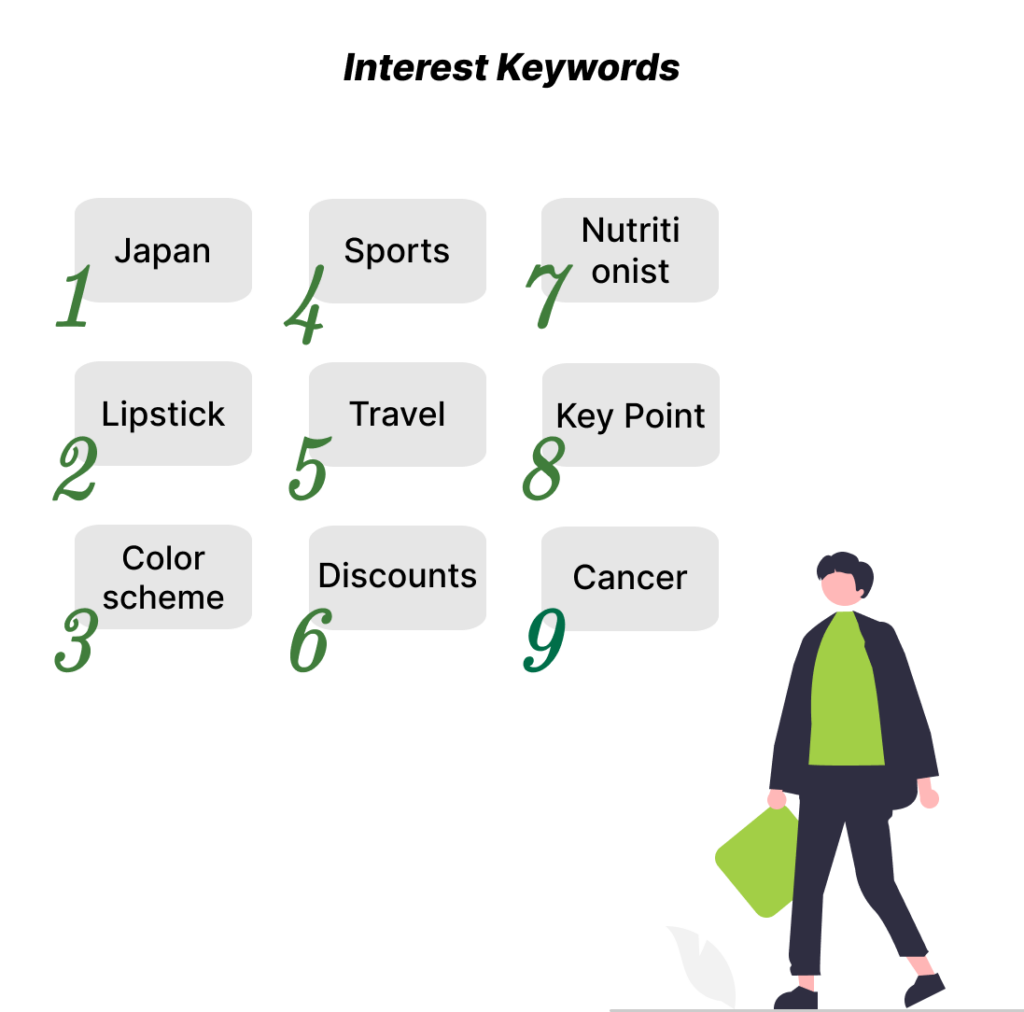
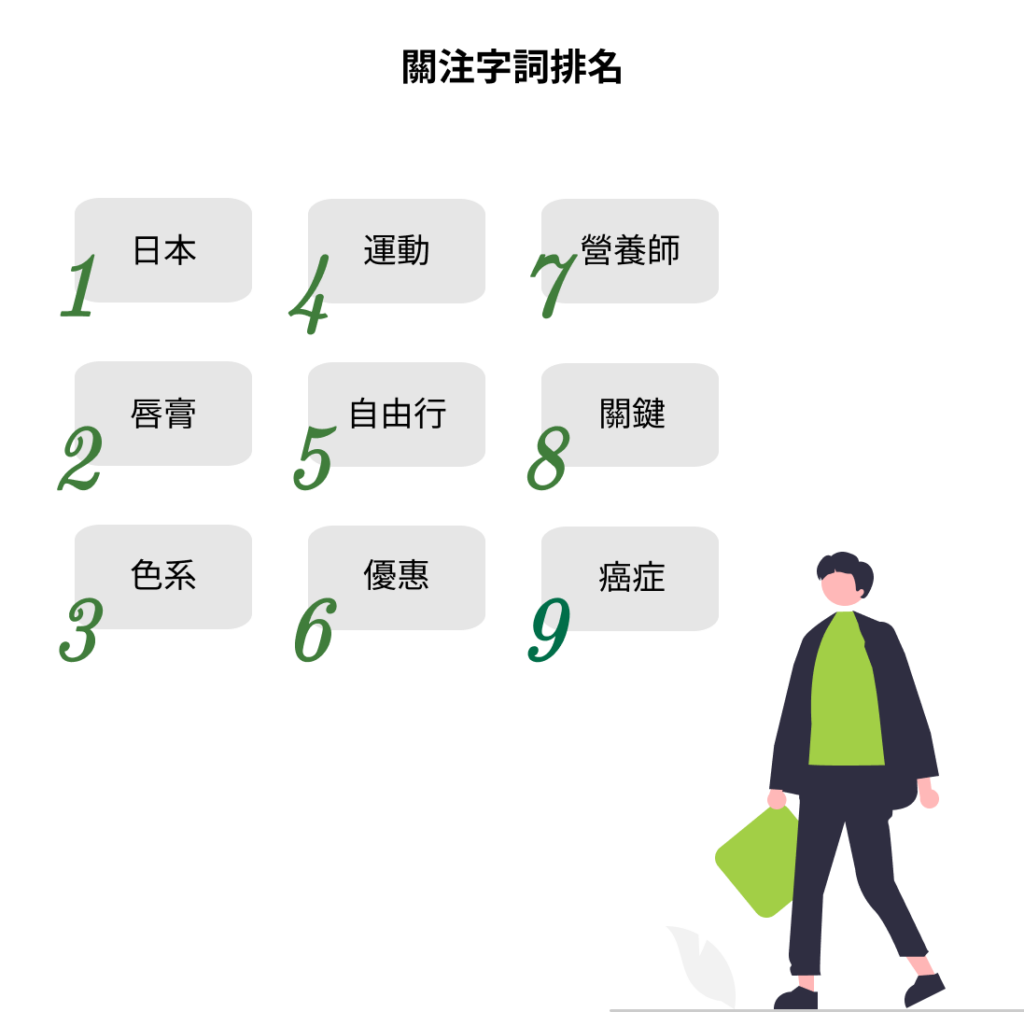
The most engaged audience segments frequently interacted with keywords related to travel, health, beauty, fashion, and shopping. Surprisingly, medical aesthetics keywords were underrepresented, while health-related terms dominated.
Performance Metrics
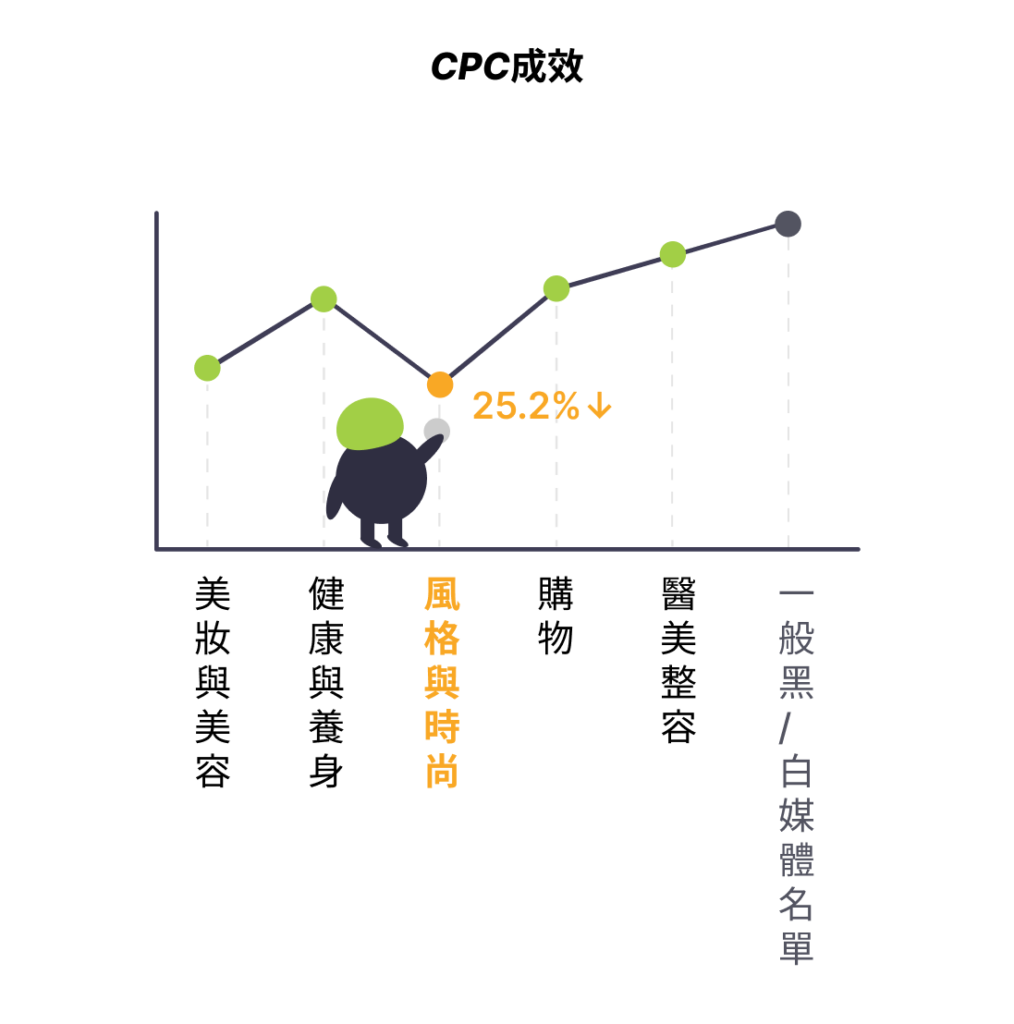
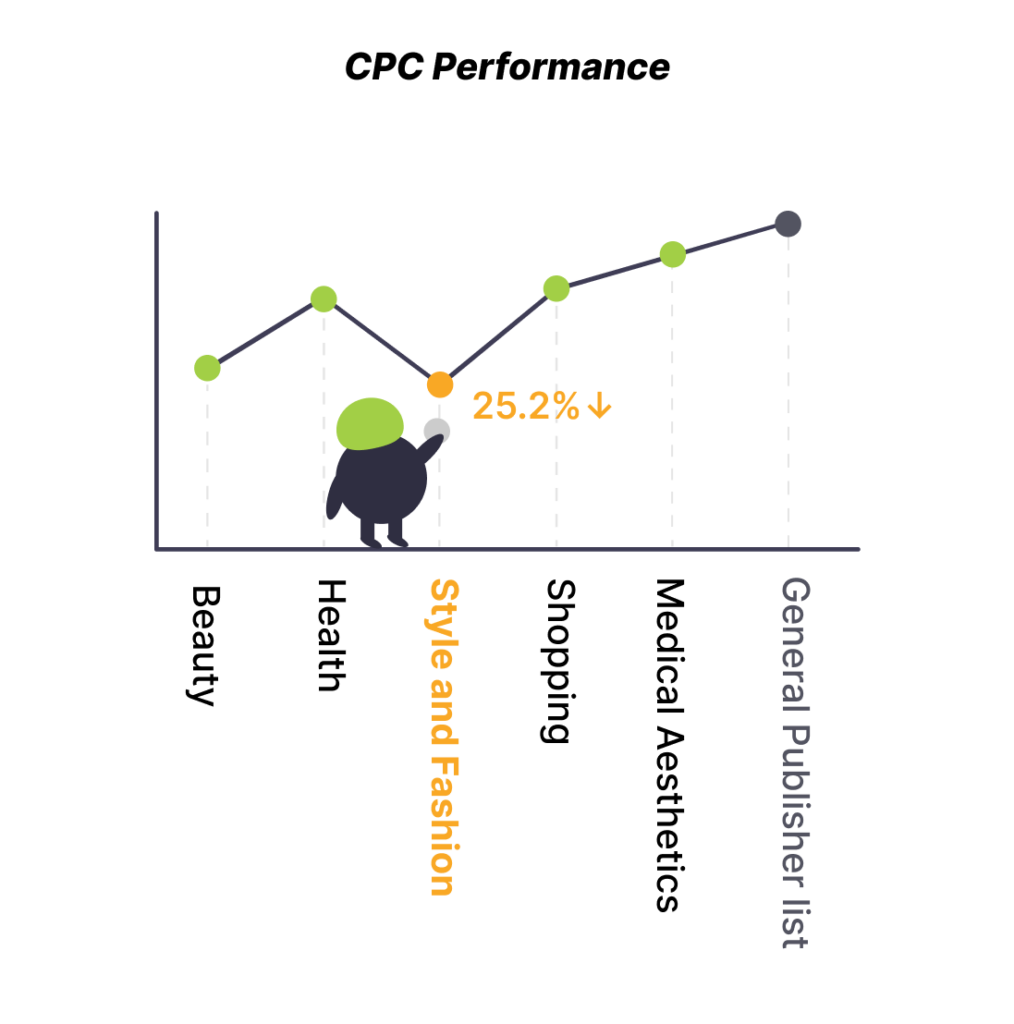
Advertising groups utilizing DKT consistently outperformed those with standard keyword targeting. For instance, CPC in the “style and fashion” segment was 25.2% lower than non-DKT campaigns.
Conclusion
AI動態關鍵字技術降低CPC成效25.2%
本篇將介紹Dynamic Keyword Tarkgeting動態關鍵字定向的應用成效與使用優點。有別於常聽到的Google關鍵字廣告,我們所提供的動態關鍵字技術,是針對受眾近期瀏覽的文章關鍵字去做分析與預測,推測出受眾現在的興趣是什麼,以及是否有明確的商品搜尋目標,找出精準受眾後以此來優化CPC成效。
過去思維
在過去的廣告設定中,大多是依據對商品使用者的想像,或者商品本身的賣點作為關鍵字,通常觸及的受眾會依想像上較為受限。在我們推出的DKT最新AI動態關鍵字分析技術中,模型會根據廣告投手輸入的廣告關鍵字,去分析瀏覽過這些關鍵字的人,還有看過哪些關鍵字,再透過AI技術去預測他們近期的興趣跟關注的商品,幫助廣告投手在尋找合適的受眾上更有方向。
舉例來說,當產品是A品牌的粉底液時,以一般思維尋找受眾上大多以A品牌特色與B、C、D競品及產品本身行銷賣點為主,如果當人為的延伸想像空間受到侷限,則找到的受眾量體也會被限制。
新思維受眾洞察
但以DKT的思維來看,當已經告訴模型A品牌特色與B、C、D競品及產品本身行銷賣點,模型會發揮環狀向外延伸的功能,洋蔥式一環一環向外找出對這款粉底液可能有興趣的受眾,有可能是你意想不到的受眾關鍵字像是環境友善、牙齒矯正…,但他卻對粉底液也有高度興趣。
案例分享
以過去實際的案例做分享,高級的美容療程的TA想像上是多關注醫美最新話題、精品、購物為主要興趣的受眾。但實際利用DKT模型跑了一輪下來後,我們可以看到觸及精品與醫美話題相關的受眾CPC價格過高,反而是關注風格與時尚的有比較好的點擊成效;此外對美容療程產品有興趣者同時也對健康養生、旅遊有高度興趣。
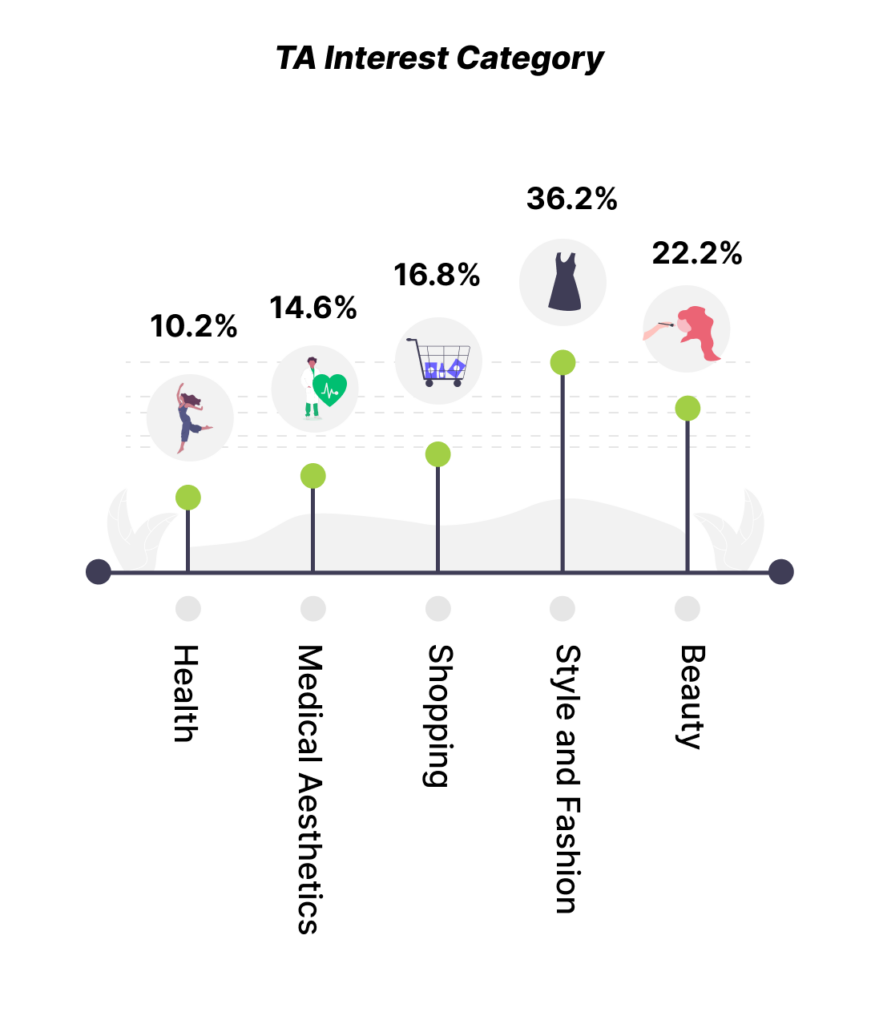
從點擊數來看,有36.2%的受眾帶有風格與時尚的興趣標籤、次之為22.2%的時尚與美容、緊接著是16.8%的購物及14.6%的醫美整容與10.2%的健康與養身。
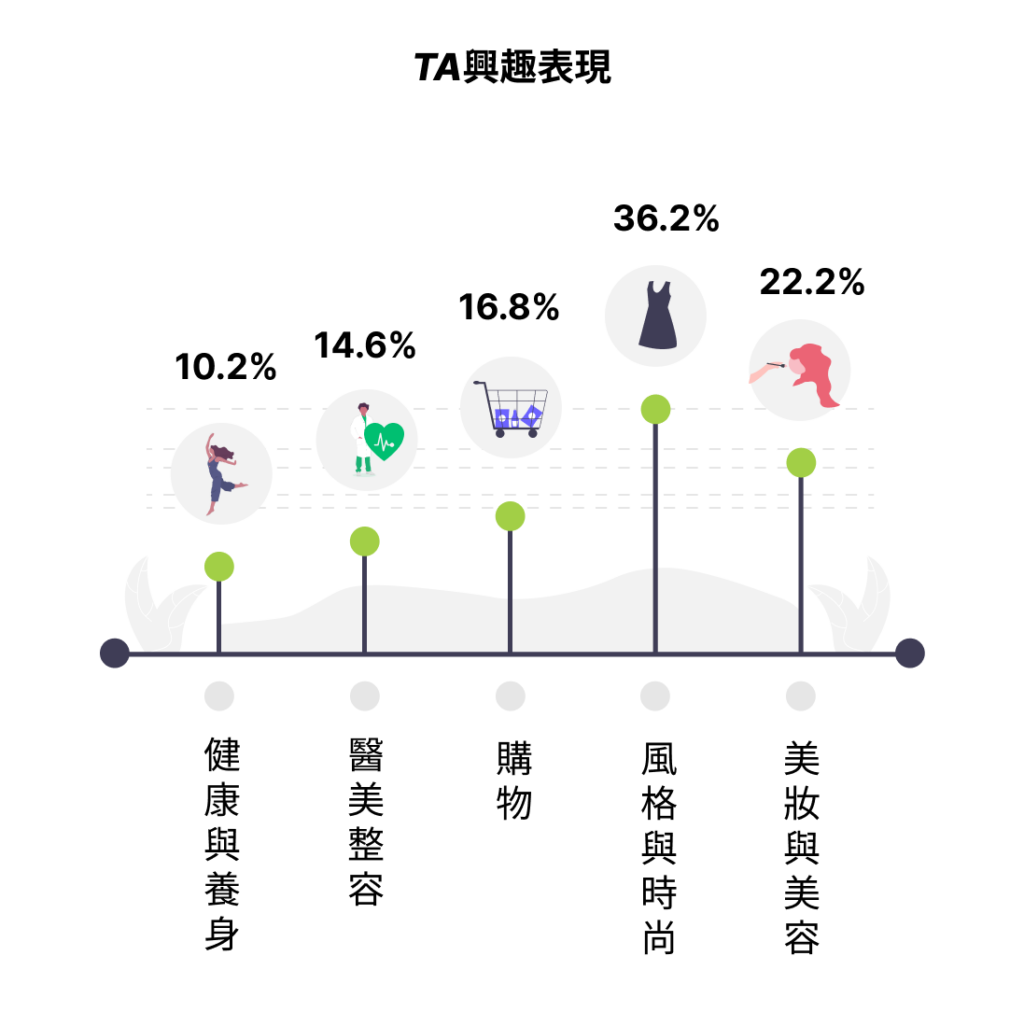
關注的字詞分類涵蓋旅遊、健康、美妝、時尚風格、購物,看不到醫美相關的關鍵字,反而是以健康相關的字詞占多數。
CPC表現上,有使用DKT技術的廣告群組成效皆比未使用的來得佳,以表現最好的風格與時尚來看,CPC成效甚至比未使用的低了25.2%。