Off-Site Interest Analysis: Impression Cost About 59% Lower Than Hand-Picked Media
After embedding the DDKT tracking code on its website, an international apparel brand used off-site interest analysis to find new audiences it had rarely reached, in entertainment, careers, real estate, and finance. In a one-week trial on a small budget, the impression cost of these new audiences was about 59% lower than that of hand-picked media ad groups in the same period.


Key Findings
Off-site interest topics (entertainment, work and careers, real estate and finance), most of them outside the original targeting settings.
Entertainment is the largest share of visitors’ off-site browsing.
Compared with hand-picked media ad groups in the same period, the three new topics have a lower impression cost.
Background
During the autumn and winter season, this brand’s ads centered on the audiences that come to mind most easily: fashion magazine media, Korean trend and Korean drama content, and department store and luxury keywords, plus retargeting. These settings match common intuition about apparel shoppers, but they all guess at the audience from the brand’s own point of view.
What the brand really wanted to know was this: after people visit its website, what do they actually look at online once they leave? If the answer differs from the original assumption, the ads gain an audience that has so far been overlooked.
Solution: Start from Visitors’ Off-Site Interests
The brand first embedded the DDKT tracking code on its website. Once embedded, DDKT can identify visitors who have been to the site and analyze what other content this group browses after leaving. The results differed from the brand’s original assumptions: visitors browse entertainment the most off-site, followed by work and careers, then real estate and finance.
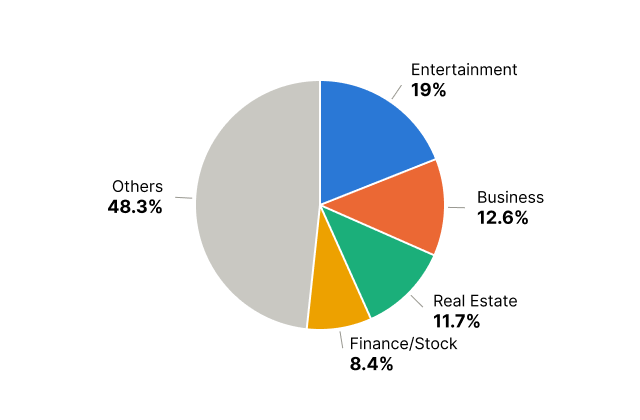
A comparison with the brand’s original targeting settings:
Of these, work and careers, real estate, and finance fall entirely outside the original settings, while entertainment partly overlaps with Korean trend and Korean drama content. The brand turned the keywords and articles from the analysis into three ad groups (entertainment, work and careers, and real estate and finance/stocks) and ran them on MI-DSP with a small budget for about one week as a first round of testing.
What We Found
We ran a one-week trial on a small budget and compared the three topics. Entertainment showed relatively better clicks, and work and careers showed relatively lower clicks. The sample is still small, so this is a directional observation. We will extend the test and track post-click behavior to further confirm the value of each topic.
Benefits of Embedding the Code
No guesswork, and not a generic market report.
Web analytics tools mainly record what visitors do on your site. Once the code is embedded, you can add their off-site interests.
Topics, keywords, and articles can all be turned into ad groups and run on MI-DSP.
Start Seeing Your Audience with DDKT
Want to know what your visitors look at off-site, and whether there are new audiences you have not reached yet?
Contact Groundhog Technologies to learn how to embed the DDKT tracking code on your website.

站外興趣分析,曝光成本較手選媒體低約 59%
某國際服飾品牌在官網埋入 DDKT 追蹤碼後,找出娛樂、職場、房地產與金融這些原本較少觸及的新受眾。以小預算試跑一週,這些新受眾的曝光成本比同檔期的手選媒體廣告組低約 59%。
重點發現
站外興趣主題:娛樂、工作職場、房地產與金融,多數在原本的投放設定之外。
訪客的站外瀏覽以娛樂為最大宗。
與同檔期手選媒體廣告組相比,三個新主題的曝光成本較低。
背景
這個品牌在秋冬檔期的廣告,主要圍繞大家最容易想到的受眾:時尚雜誌媒體、韓國潮流與韓劇內容、百貨精品關鍵字,再加上再行銷。這些設定符合對服飾消費者的直覺,但都是從品牌自己的角度去猜受眾是誰。
品牌真正想知道的是:來過官網的人,離開之後在網路上實際看些什麼?如果答案和原本的猜測不一樣,廣告就多了一批還沒被重視的受眾。
解決方案:從訪客的站外興趣開始
品牌先在官網埋入 DDKT 追蹤碼。埋碼之後,DDKT 可以辨識來過網站的訪客,並分析這群人離開網站後還會瀏覽哪些內容。
分析結果和品牌原本的想像不太一樣:訪客在站外看得最多的是娛樂,其次是工作職場,接著是房地產和金融財經。
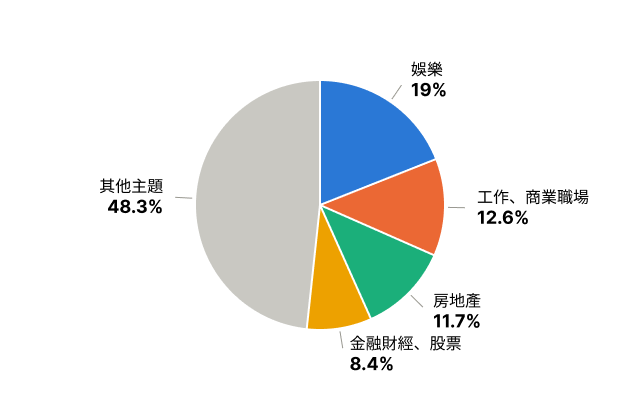
和品牌原本指定的投放設定對照如下:
其中職場、房地產與金融完全不在原本的設定內,娛樂則與韓流、韓劇內容有部分重疊。品牌把分析結果中的關鍵字和文章,轉成娛樂、工作職場、房地產與金融股票三個廣告組,在 MI-DSP 上以小預算投放約一週,作為第一輪測試。
我們發現了什麼
我們以小預算試跑一週,比較三個主題的表現,發現娛樂類的點擊相對較好,工作職場類相對較低。樣本仍小,屬方向性觀察,後續會拉長測試並追蹤點擊後的行為,進一步確認各主題的價值。
埋碼的好處
不靠猜測,也不是通用的市場報告。
網站分析工具主要記錄訪客在站內做了什麼,埋碼後可以補上他們在站外的興趣。
主題、關鍵字、文章都能轉成廣告組,在 MI-DSP 上投放。
開始用 DDKT 看見你的受眾
想知道自己的訪客在站外看些什麼、有沒有還沒被觸及的新受眾,歡迎聯繫現觀科技,了解如何在您的網站埋入 DDKT 追蹤碼。